
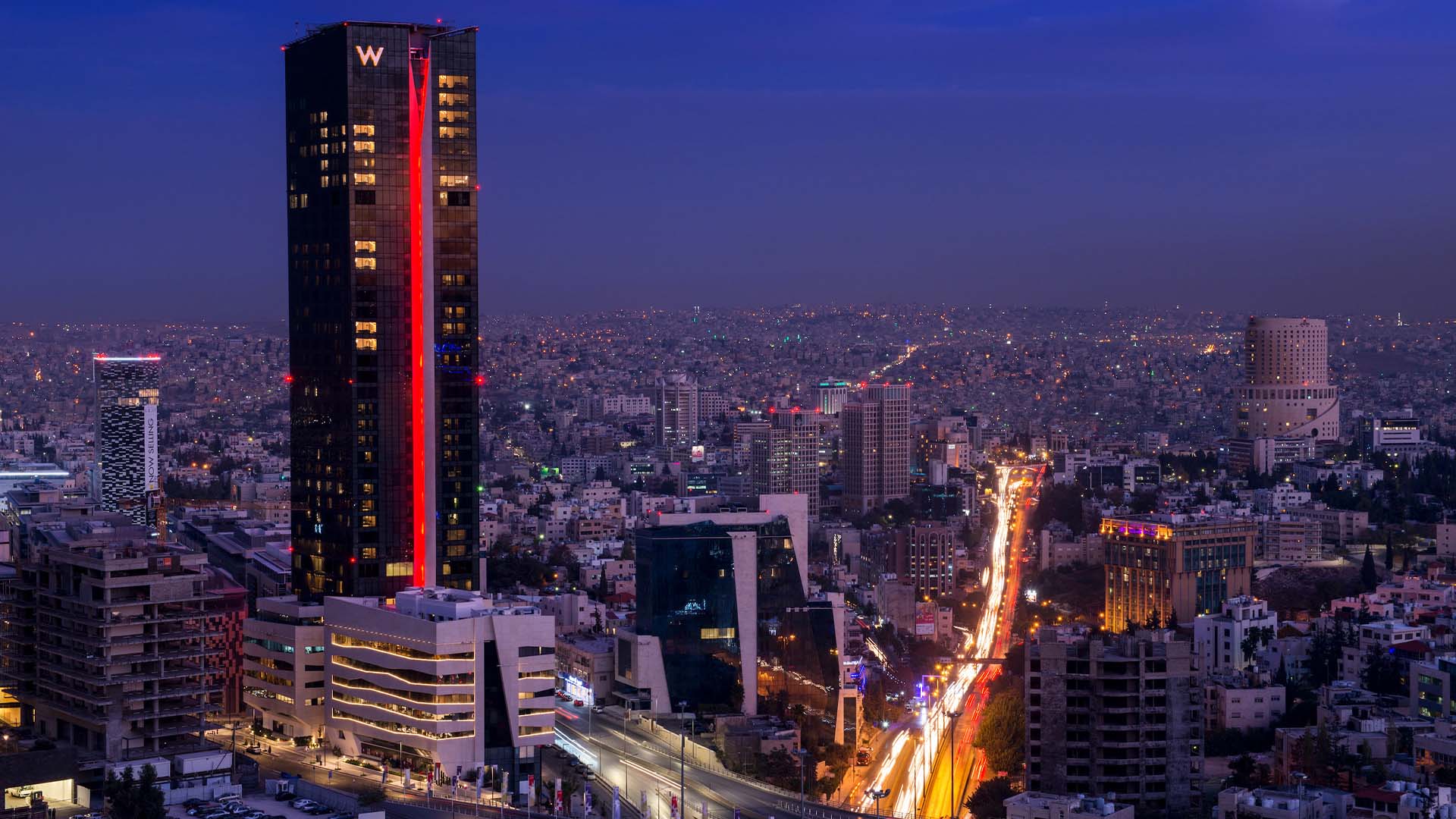
Location of Amman:
Amman, the capital city of Jordan, is a bustling metropolis that seamlessly blends ancient history with modern dynamism. Situated in the north-western part of the country, it serves as the political, economic, and cultural hub of Jordan. With its rich heritage, diverse neighbourhoods, and vibrant atmosphere, it also offers visitors a compelling mix of tradition and progress.
History of Amman:
The history of Amman stretches back thousands of years, and evidence of its ancient past can still be seen today. During the Roman period, the city was known as Philadelphia and served as an important center of trade and commerce. Remnants of this era can be found in the Citadel, a hilltop archaeological site that houses the Temple of Hercules, Umayyad Palace, and various Roman ruins. From the Citadel, visitors can enjoy panoramic views of the cityscape, providing a glimpse into Amman’s historical significance.
Exploring downtown Amman, also known as Al-Balad, is like taking a journey through time. This area is characterized by its bustling markets, traditional architecture, and lively atmosphere. Souk Jara, a vibrant street market, offers a variety of handicrafts, traditional clothing, spices, and street food, providing visitors with an immersive experience of Jordanian culture and daily life.
Amman is also home to numerous museums that showcase the country’s rich heritage. The Jordan Museum, located in the Ras Al-Ein district, displays artefacts from various periods of Jordan’s history, including the Dead Sea Scrolls, ancient statues, and mosaics. The Jordanian Museum of Popular Traditions offers insights into traditional Jordanian customs, costumes, and folk art, giving visitors a deeper understanding of the local culture.
The city is also dotted with mosques, churches, and other religious sites that reflect Jordan’s multicultural society. The King Abdullah I Mosque, with its distinctive blue dome, is one of the city’s most iconic landmarks. Other notable religious sites include the Coptic Orthodox Church, St. George’s Greek Orthodox Church, and the Al-Husseini Mosque. These sites not only hold religious significance but also contribute to the architectural beauty of the city.
Amman’s neighbourhoods each have their own unique character, adding to the city’s charm. Rainbow Street, located in the historic Jabal Amman district, is a vibrant and trendy area known for its cafes, art galleries, and boutique shops. The area comes alive in the evenings, with locals and tourists enjoying the bustling nightlife. Abdoun and Abdali are modern neighbourhoods that showcase Amman’s contemporary side. These areas are home to upscale restaurants, luxury hotels, shopping malls, and entertainment venues. The Boulevard, a pedestrian-friendly street in the heart of Abdali, offers a mix of dining, shopping, and cultural experiences.
Food lovers will delight in Amman’s culinary scene, which offers a wide variety of traditional Jordanian dishes as well as international cuisine. From street food stalls serving falafel and shawarma to upscale restaurants offering gourmet meals, Amman caters to all tastes and budgets. The city’s diverse population has contributed to a fusion of flavors and culinary influences, making it a food lover’s paradise.
Amman also serves as a gateway to many of Jordan’s iconic attractions. The ancient city of Jerash, with its well-preserved Roman ruins, the biblical site of Madaba, famous for its ancient mosaics, and the stunning landscapes of Wadi Rum and Petra are all within a few hours’ drive from the city. Visitors to Amman can easily plan day trips to explore these remarkable destinations and experience the rich history and natural beauty of Jordan.
With its blend of ancient history, vibrant culture, and modern charm, Amman offers visitors a captivating experience. Whether exploring its archaeological sites, savouring its cuisine, immersing oneself in its lively neighbourhoods, or embarking on adventures to nearby attractions, Amman is a city that showcases the best of Jordan’s past and present. It is a place where ancient traditions and modern aspirations coexist, creating a dynamic and enchanting destination for travelers from around the world.





