
Location of Kerak:
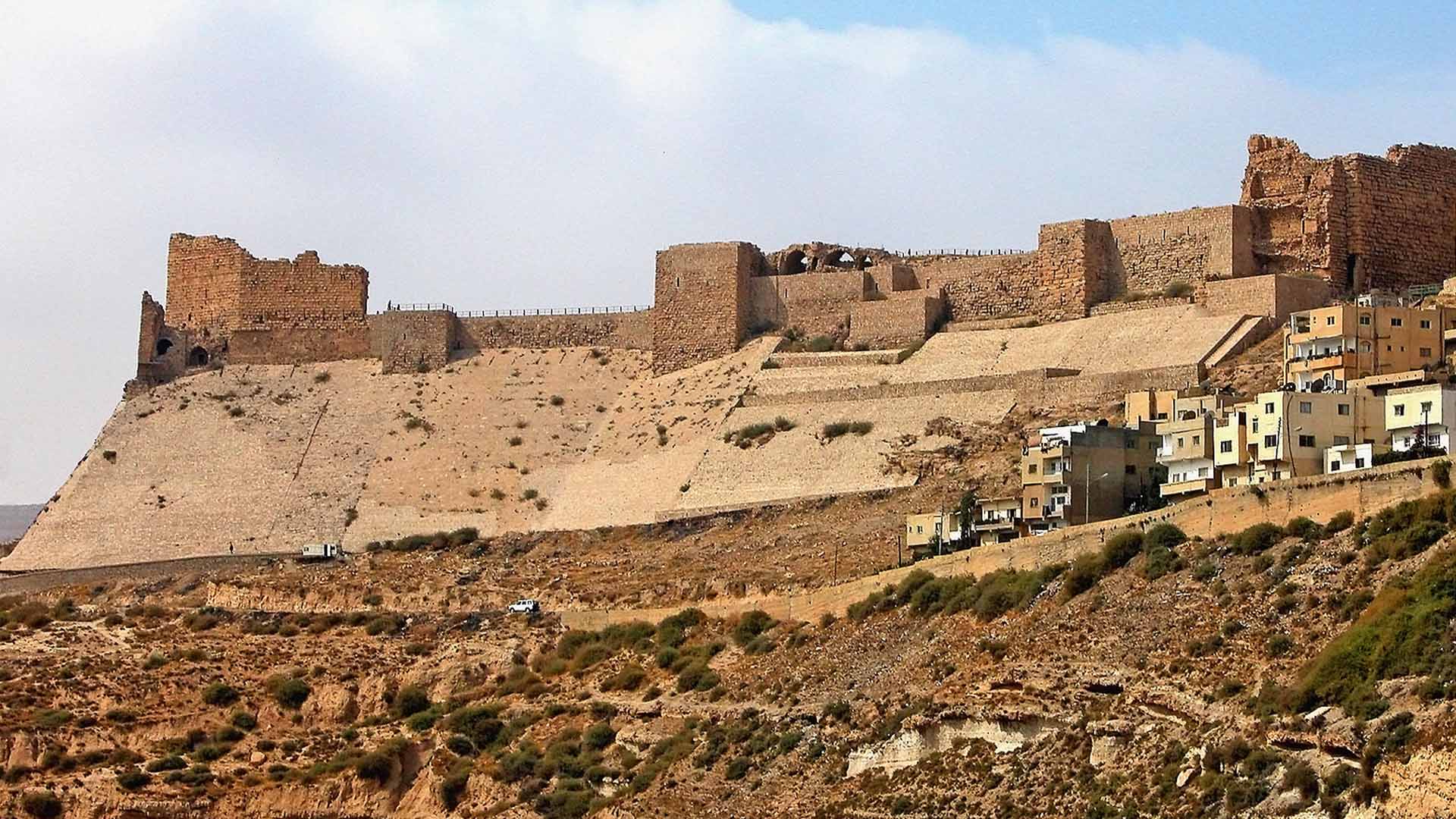
Kerak is an ancient city located in southern Jordan, roughly 140 kilometers (87 miles) south of the capital city, Amman. It sits on a hilltop in the western part of the country, overlooking the Dead Sea region. The city is renowned for its well-preserved Crusader castle, known as Kerak Castle or Karak Castle.
Overview of Kerak:
Kerak is a city with a fascinating history and is renowned for its iconic Crusader castle. Perched on a hilltop overlooking the surrounding landscape, Kerak Castle stands as a testament to the region’s medieval past and offers visitors a glimpse into the architectural and military achievements of the Crusader era.
The most prominent attraction in Kerak is the Kerak Castle, also known as the Crusader Castle or Al-Karak Castle. This imposing fortress was built during the 12th century by the Crusaders and played a significant role in the Crusader Kingdom of Jerusalem. The castle’s strategic location allowed it to control important trade routes and defend against potential invaders.
The architecture of Kerak Castle is a blend of Crusader, Arab, and Byzantine influences, reflecting the diverse cultural and historical heritage of the region. The castle’s massive walls, thick stone ramparts, and intricate defensive structures are a testament to the military engineering of the time. Exploring the castle reveals its intricate architecture, fortified walls, and numerous chambers and halls. Visitors can wander through the maze-like corridors, climb the towers, and admire the panoramic views of the surrounding landscape.
One of the highlights of Kerak Castle is the underground galleries, which served as storage areas for food, water, and weapons. These subterranean passages create a sense of mystery and intrigue, allowing visitors to step back in time and imagine what life was like within the castle walls.
The castle also houses a museum that showcases artefacts and exhibits related to the castle’s history and the region’s past. Visitors can learn about the Crusader period, the battles fought, and the daily life of the people who lived within the castle. The museum provides valuable insights into the historical significance of Kerak and its role in shaping the region’s history.
Beyond the castle, Kerak offers a charming old town with narrow streets, traditional houses, and bustling markets. Visitors can stroll through the vibrant souks, where local artisans sell handicrafts, spices, and other goods. The town’s lively atmosphere provides an opportunity to immerse oneself in the local culture and interact with the friendly residents.
Kerak is also known for its rich culinary traditions. The city is famous for its traditional Jordanian dishes, such as mansaf (a traditional Jordanian dish of lamb cooked in fermented dried yogurt). Visitors can savour the flavors of Jordanian cuisine in the local restaurants and eateries scattered throughout the town. The combination of aromatic spices, fresh ingredients, and delicious flavors makes every meal in Kerak a delightful experience.
For outdoor enthusiasts, the surrounding area of Kerak offers opportunities for hiking and exploration. The nearby Dana Biosphere Reserve, one of Jordan’s most biodiverse areas, features stunning landscapes, hiking trails, and a chance to encounter unique flora and fauna. Nature lovers can explore the reserve’s diverse ecosystems, from rugged mountains to deep canyons, and witness the rich biodiversity that thrives in this protected area.
Kerak’s strategic location in central Jordan also makes it a convenient base for exploring other nearby attractions. Visitors can venture to the ancient city of Petra, Wadi Rum desert, or the Dead Sea, each offering a distinct and memorable experience.
Petra, a UNESCO World Heritage Site, is a must-visit destination known for its awe-inspiring rock-cut architecture. The city’s rose-red sandstone cliffs and intricately carved structures, such as the Treasury and the Monastery, leave visitors in awe of the ancient Nabatean civilization. Exploring Petra is like stepping into a mythical world frozen in time.
Wadi Rum, on the other hand, is a desert landscape famed for its dramatic sandstone mountains and vast open spaces. Often referred to as the Valley of the Moon, Wadi Rum offers visitors a chance to experience the tranquillity of the desert, go hiking, or embark on thrilling off-road jeep tours. The breathtaking views, the silence of the desert, and the warmth of Bedouin hospitality make Wadi Rum an unforgettable destination.
And of course, there is the Dead Sea, the lowest point on Earth, where visitors can float effortlessly due to the high salt content in the water. The Dead Sea is not only a unique natural wonder but also a popular destination for wellness and relaxation. Its mineral-rich mud is known for its therapeutic properties and is often used for rejuvenating spa treatments.
With its impressive Crusader castle, vibrant markets, rich culinary traditions, and access to nearby natural wonders, Kerak invites visitors to delve into the history and culture of Jordan. Whether you’re a history enthusiast, an adventurer, or a curious traveller, a visit to Kerak promises an immersive journey through the region’s fascinating past and present. From the captivating castle to the bustling markets, Kerak offers a unique experience that showcases the beauty and diversity of Jordan’s cultural heritage.





