
Preserving Cultural Memory Through Restoration
Cultural preservation is not simply about protecting objects — it is about safeguarding identity, memory, and human creativity across generations. This vision is now taking shape at the National Museum of Damascus, where preparations are underway for a major conservation initiative centered on Palmyra’s artifacts and the legacy of Dura Europs. The project reflects a growing international commitment to ensuring that historical knowledge remains accessible and meaningful in the present day.
A specialized delegation from the ALIPH Foundation — the International Alliance for the Protection of Heritage in Conflict Areas — has begun close coordination with Syria’s Directorate-General of Antiquities and Museums. Their partnership marks the final stage of planning for a restoration program combining global expertise with local professional experience.
Beginning in the coming weeks, conservation teams will catalogue archaeological materials, restore selected Palmyrene pieces, and rehabilitate mural panels originating from Dura Europs. These artworks represent some of the most remarkable survivals of ancient painting traditions and will be treated according to internationally recognized conservation standards. By applying interdisciplinary approaches, the project highlights the continued importance of Dura Europs in shaping discussions of preservation and scholarship.
Partnership for Knowledge Exchange
Collaboration lies at the heart of this initiative. International specialists and Syrian conservators will work side by side, sharing methodologies and technical insights that enhance professional development. Such cooperation ensures that conservation techniques developed during work connected to Dura Europs can be applied to future heritage efforts, promoting sustainability and expertise within the region.
This partnership also demonstrates the value of coordinated global responsibility in protecting cultural achievements. Addressing materials associated with Palmyra alongside those linked to Dura Europs illustrates how shared stewardship transforms preservation into meaningful action. Institutional support and logistical preparation further reinforce dedication to safeguarding heritage connected to Dura Europs.
Palmyra — Echoes of a Desert Civilization
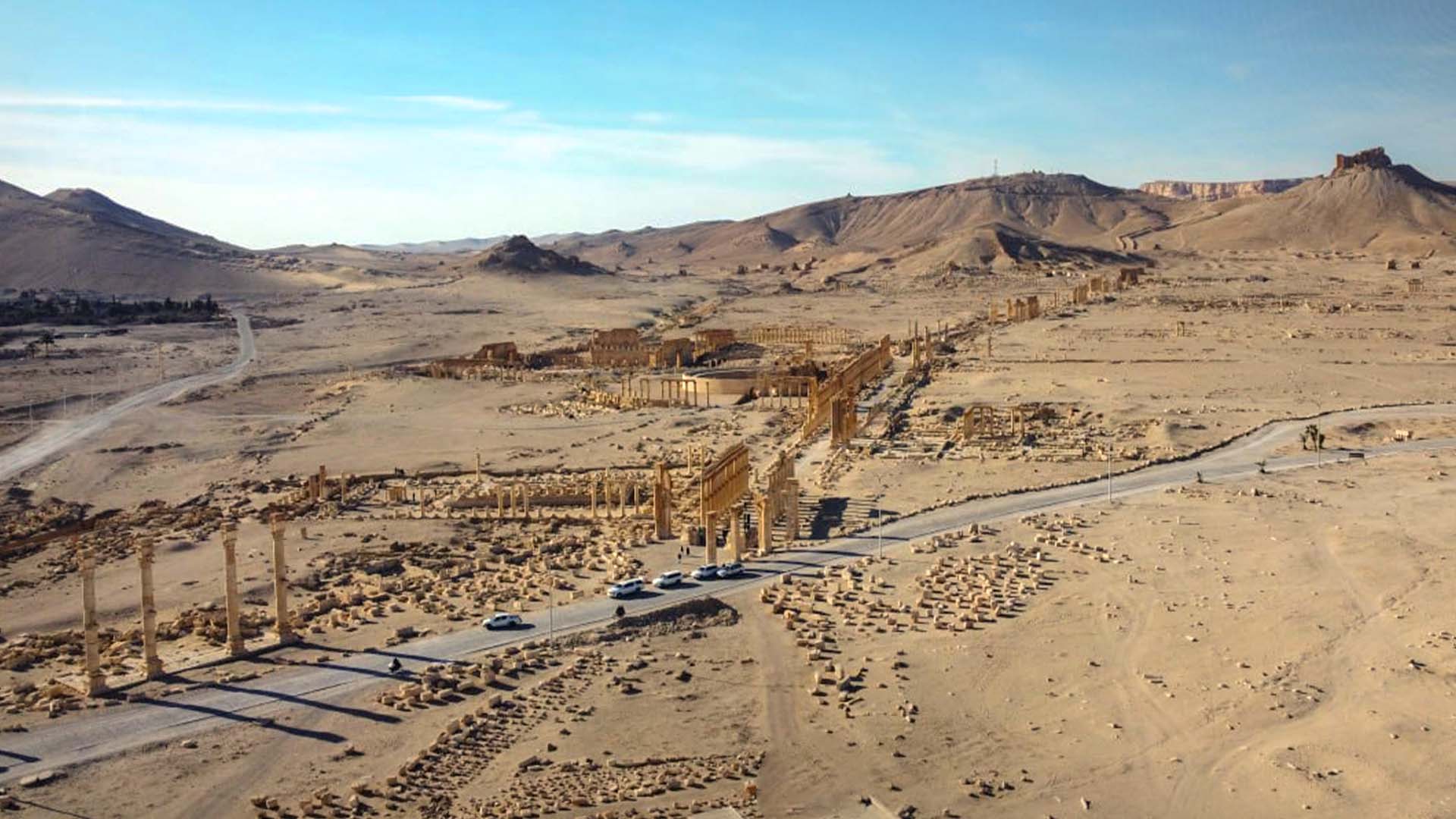
Palmyra, historically known as Tadmur, remains among the Middle East’s most iconic archaeological landscapes. Situated within a desert oasis, the city flourished as a crossroads connecting Mediterranean trade networks with eastern regions. Its monumental architecture — from colonnaded streets to temples — reveals centuries of exchange, prosperity, and artistic expression.
Caravan commerce drove early development, and Roman governance later elevated the city to a golden age of wealth and cultural interaction. Queen Zenobia’s bold leadership expanded Palmyra’s influence and cemented its legendary status. Today, ongoing restoration efforts related to Dura Europs initiatives emphasize the interconnected nature of Syria’s heritage, reminding observers that preservation must address diverse historical narratives together.
The Legacy of an Ancient Frontier City
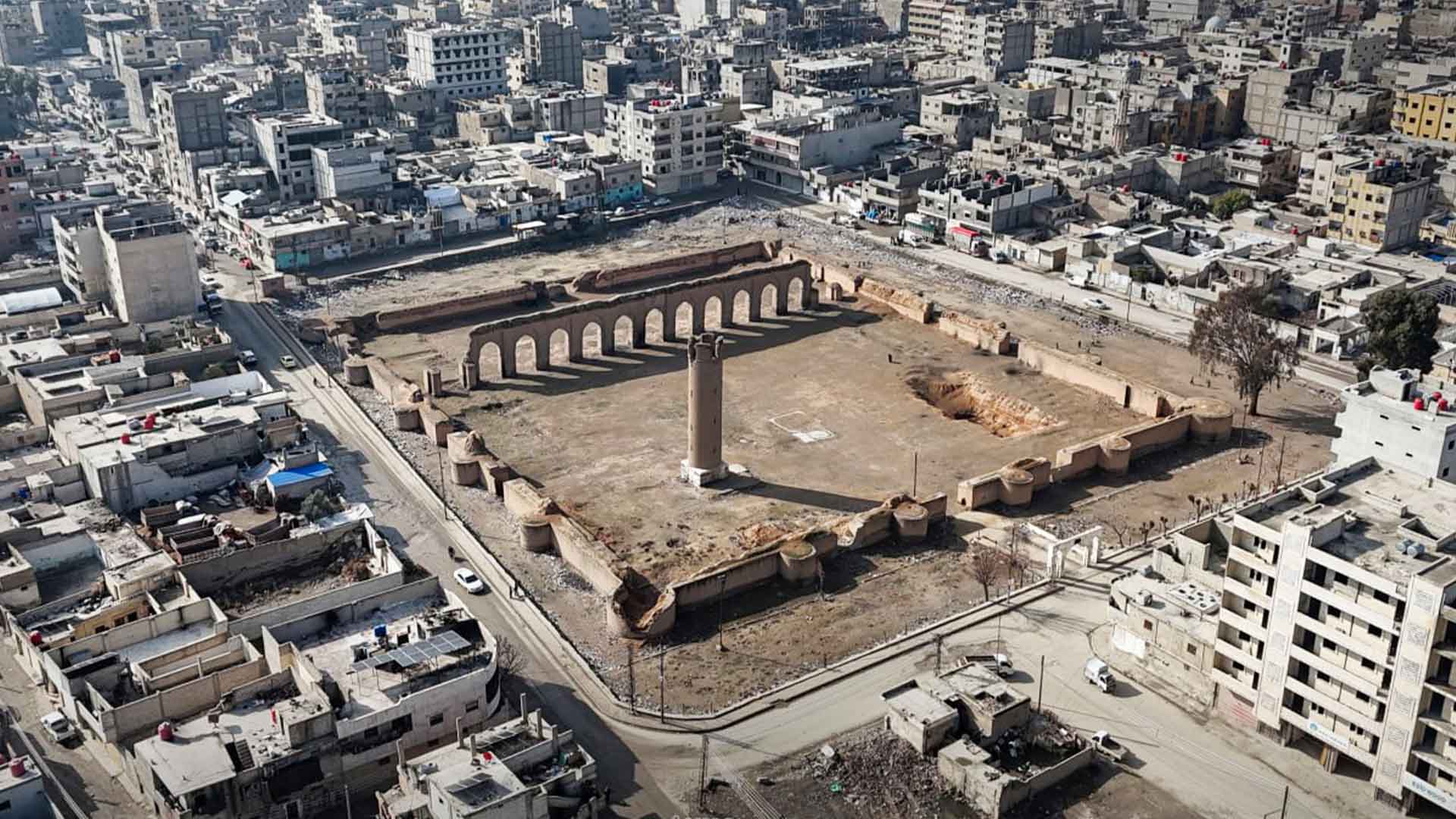
The settlement known today as Dura Europs once stood along the Euphrates frontier as a meeting point of civilizations. Founded during the Hellenistic era and later governed by successive empires, the city became a cultural mosaic shaped by multiple traditions. Archaeological discoveries revealed extraordinary artistic remains that transformed understanding of religious and communal life connected to Dura Europs.
Excavations in the twentieth century uncovered murals and architectural remains whose preservation astonished researchers. Their visual storytelling offered insight into identity and ritual, prompting renewed academic interest in Dura Europs and its role within late antique cultural history. Conserved panels now displayed in Damascus remain central to ongoing study and conservation planning surrounding Dura Europs.
Artistic Innovation and Enduring Influence
The murals originating from Dura Europs depict narratives, symbols, and ritual scenes through vivid color and composition. Their stylistic diversity illustrates cross-cultural artistic exchange and highlights the fluid boundaries between communities of antiquity. Because environmental conditions protected these works for centuries, they remain invaluable references for researchers exploring artistic heritage linked to Dura Europs.
Scholars widely consider these materials among the most informative surviving examples of their kind. Continued restoration and documentation ensure that knowledge derived from Dura Europs remains available to future audiences, strengthening appreciation of shared human creativity.
Looking Ahead: Shared Responsibility for Heritage
Preservation projects addressing Palmyra and Dura Europs demonstrate that cultural heritage transcends borders and beliefs. Protecting historical achievements requires collective dedication, training, and cooperation across institutions. By investing in restoration connected to Dura Europs, stakeholders reinforce awareness that heritage belongs to humanity as a whole.
As conservation advances, the National Museum of Damascus will continue serving as a focal point for cultural engagement. Safeguarding artifacts and artworks tied to Dura Europs and Palmyra represents both responsibility and optimism — ensuring that future generations inherit living stories rather than fragmented remains, and that the legacy of Dura Europs continues inspiring dialogue across cultures and time.