Ezraa: A Timeless Historical and Religious Gem in Daraa, Syria
Ezraa (also spelled Izraʿ or Ezraʿ) is a historic town of extraordinary significance in southern Syria, located in the Hauran region of Daraa Governorate. Steeped in history, this ancient town is a living testament to Syria’s rich cultural and religious heritage. Nestled within the fertile Hauran plain, Ezraa has long been a crossroads of civilizations, witnessing the ebb and flow of Roman, Byzantine, Islamic, and Ottoman influences. Today, it stands as a remarkable destination for travelers, historians, and those interested in exploring the layers of Syria’s past.
Historical Significance of Ezraa
The history of Ezraa stretches back to Roman times, when the town was part of the ancient Decapolis—a group of ten cities known for their strategic and cultural importance in the region. Over the centuries, Ezraa has remained continuously inhabited, preserving its historical identity while adapting to the evolving cultural landscape of southern Syria.
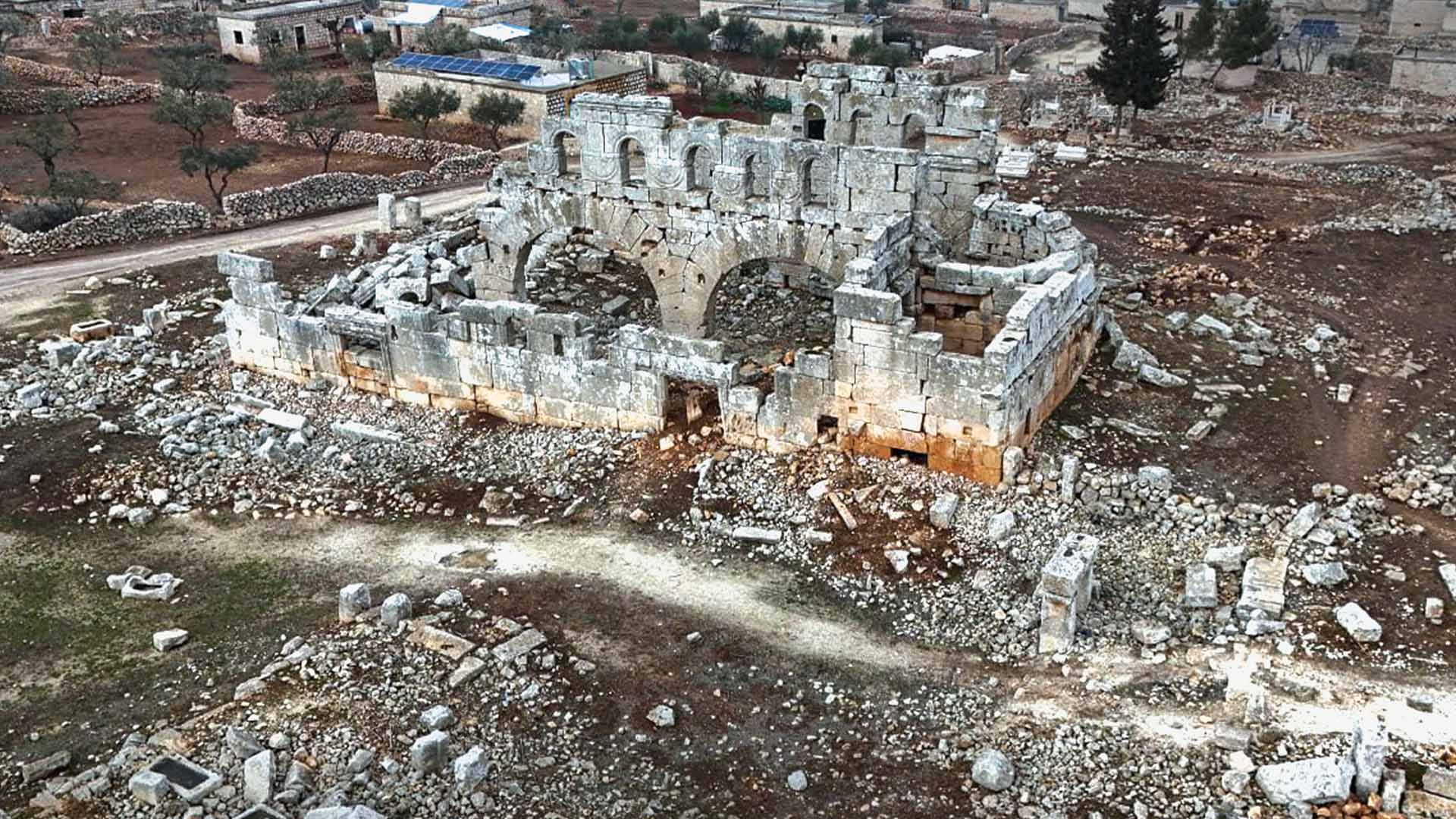
The town’s architecture reflects this long history, with its characteristic basalt stone buildings that are typical of the volcanic Hauran plain. These dark-stone structures not only provide a striking visual impression but also offer insight into the traditional construction techniques of the region.
Ezraa was historically a center of trade and agriculture, serving as a market hub for the surrounding Hauran villages. Its fertile lands supported local livelihoods and contributed to the town’s sustained growth over the centuries. In addition to its economic role, Ezraa has long been a spiritual and religious center, with its churches and mosques reflecting the town’s diverse faith communities.
The Church of St. George: A 1,500-Year-Old Marvel
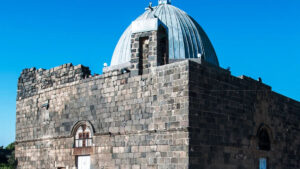
Among Ezraa’s most remarkable landmarks is the Church of St. George, an architectural and religious treasure that has stood for over 1,500 years. Originally constructed in the 4th century as a Roman basilica, the church was later converted into a Christian place of worship and remains one of the oldest surviving Christian churches in the world. Built entirely of solid basalt stone, the Church of St. George has retained its original form with minimal alterations, making it unique among ancient religious structures.
The church is more than just an architectural marvel; it is a living symbol of the early spread of Christianity in the Levant. Its preservation allows visitors to step back in time and witness the ingenuity and craftsmanship of ancient builders. The church’s enduring presence has made it a focal point for religious and cultural life in Ezraa, attracting scholars, pilgrims, and travelers alike.
Preservation and Restoration Efforts
Recognizing the historical and cultural value of Ezraa, the Antiquities Department in Izraʿ has undertaken critical preservation efforts. Recent urgent maintenance works at the historic Mar Elias Church highlight the commitment to safeguarding the town’s heritage. These works focused on addressing water leakage that had appeared on the northern wall near the altar—a problem that threatened the structural integrity of the church and its interior. Restoration experts employed techniques and materials compatible with the building’s original construction, ensuring the long-term preservation of its architectural and historical value.
Such restoration efforts underscore the importance of Ezraa not only as a historical site but also as a living town that continues to maintain its cultural and religious significance. By preserving its ancient monuments, the town bridges the past and the present, offering a tangible connection to Syria’s layered history.
Ezraa within the Rich Heritage of Daraa
Ezraa is part of the broader Daraa region, a historically and archaeologically rich area of southern Syria. Daraa itself hosts a variety of ancient and religious sites, including Roman temples, Byzantine-era churches, early Islamic structures, and centuries-old mosques and shrines. Nearby towns such as Bosra, a UNESCO World Heritage site, feature some of the best-preserved Roman theaters, streets, and amphitheaters in the Middle East.
Together, Ezraa and the surrounding region showcase the Hauran’s significance as a crossroads of civilizations and a hub of cultural and religious life. The combination of ancient ruins, religious landmarks, and traditional architecture provides a comprehensive perspective on southern Syria’s history, from antiquity to the present day.
A Living Town of Culture and Tradition
Beyond its monuments, Ezraa remains a vibrant agricultural and market town, reflecting the traditions of the Hauran plain. Local markets, traditional crafts, and community life continue to thrive alongside ancient structures, offering visitors an authentic experience of the region’s cultural heritage. Despite the challenges Syria has faced in recent years, Ezraa’s resilience and continuity make it a unique place where history and modern life coexist.
For travelers, historians, and cultural enthusiasts, Ezraa offers a remarkable journey through time. From the awe-inspiring Church of St. George to the town’s basalt architecture, bustling markets, and living traditions, Ezraa provides a vivid window into the heritage of southern Syria. Its preservation and enduring significance ensure that future generations can continue to explore, learn from, and be inspired by this extraordinary historical gem.