
Raqqa: A Historic City of Civilizations on the Euphrates
Raqqa is one of Syria’s most historically rich cities, strategically located along the banks of the Euphrates River. For centuries, Raqqa served as a vital crossroads of civilizations, trade routes, and empires, resulting in a remarkable concentration of archaeological remains, historic monuments, and cultural traditions that reflect a deep and layered past shaped by many peoples.
A Journey Through History
The history of the city stretches back to ancient times, with evidence of settlement dating to the Hellenistic period and continuing through Roman and Byzantine rule before flourishing under Islamic governance. Its position along the Euphrates transformed Raqqa into a thriving commercial and military center, attracting traders, scholars, artisans, and political leaders from across the wider region.
The city reached its golden age during the Abbasid period in the 8th century, when Raqqa became a favored residence of Caliph Harun al-Rashid. During this era, it developed into a major center of administration, learning, science, and craftsmanship. Urban planning, architecture, and industrial production expanded significantly, influencing large parts of the Islamic world and reinforcing the city’s regional importance.
Historic Sites and Urban Heritage
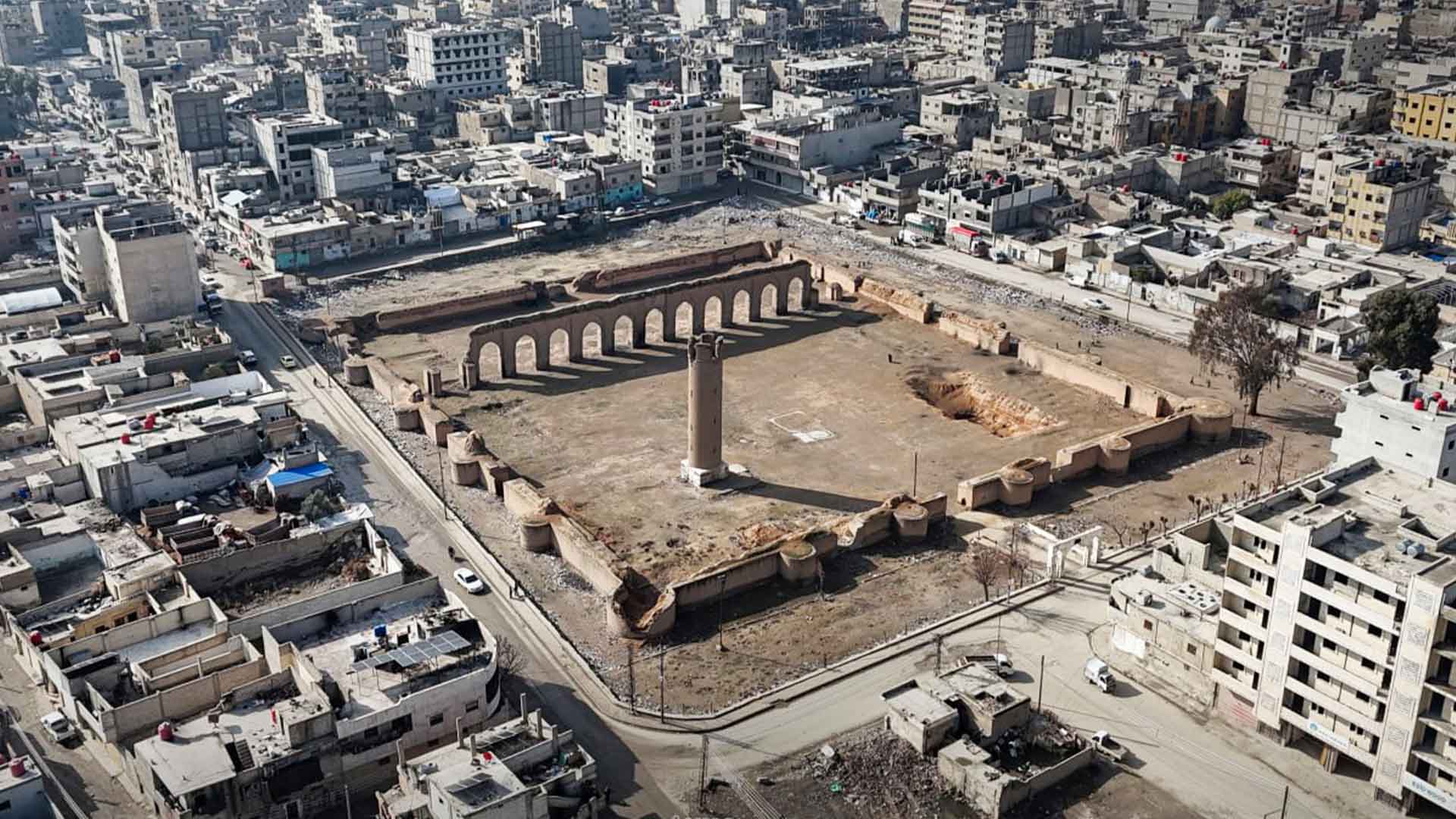
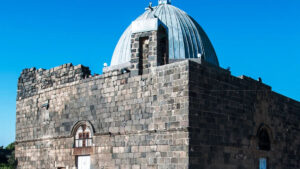
Among the most significant historical landmarks in Raqqa is the Great Abbasid Mosque, originally constructed in the 8th century. Although time and conflict have left the structure partially ruined, its surviving minaret and architectural remains still convey the former grandeur of the city. Nearby stands the iconic Baghdad Gate, once part of the fortified walls that protected Raqqa and marked its role as a key link between Mesopotamia and the Levant.
The ancient Abbasid city of Al-Rafiqa, built adjacent to Raqqa, offers a striking example of early Islamic urban planning. Its circular layout, defensive walls, and traces of palaces and residential quarters reveal sophisticated design principles and a well-organized civic structure. Another notable monument is Qasr al-Banat, or the Palace of the Maidens, believed to date to the Umayyad period and admired for its refined brickwork, decorative motifs, and elegant proportions.
Resafa and the Surrounding Region
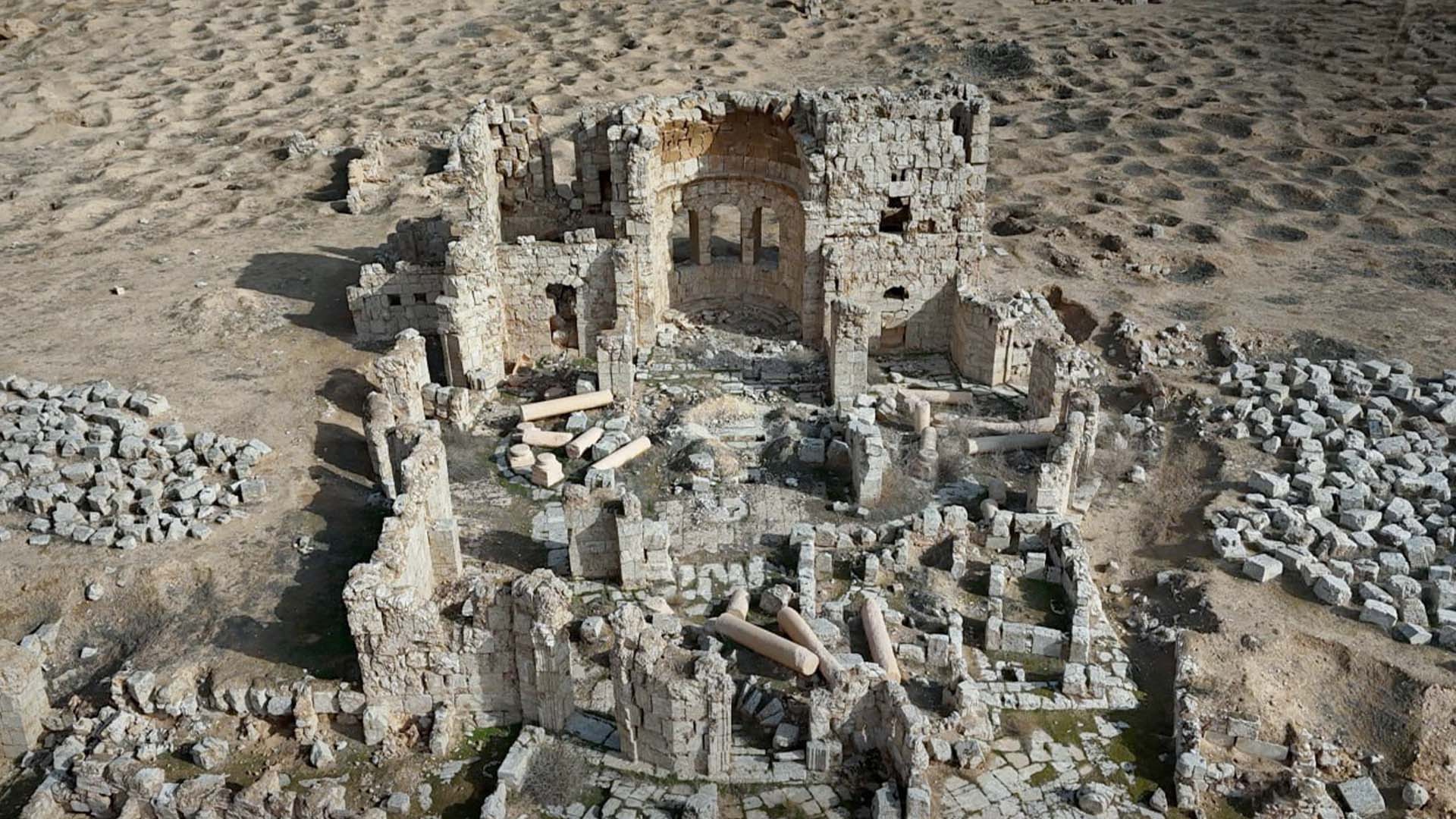
One of the most captivating historical sites associated with Raqqa is the ancient city of Resafa, located southwest of the modern urban center. Dating back to pre-Roman times, Resafa flourished during the Roman and Byzantine periods due to its association with Saint Sergius, a revered Christian martyr. The site became an important pilgrimage destination, featuring monumental basilica ruins, massive fortified walls, and vast underground cisterns engineered to store water in the arid landscape.
The wider region also includes important archaeological sites such as Tell Sabi Abyad, which reveals evidence of Neolithic settlements. Excavations have uncovered pottery, tools, and agricultural artifacts that shed light on some of the earliest farming communities in the Euphrates basin, highlighting the area’s long-standing role in human development and innovation.
Museum and Cultural Preservation
The Raqqa Museum plays a central role in preserving and presenting the city’s heritage. Housed in an Ottoman-era building, the museum displays artifacts from prehistoric, Roman, Byzantine, and Islamic periods. Particularly noteworthy are collections of Abbasid ceramics, coins, inscriptions, and architectural elements, reflecting a long tradition of craftsmanship and artistic excellence that once brought the city international recognition.
Cultural Significance and Recovery
In recent decades, the city has faced immense challenges, including widespread damage to its cultural heritage during the Syrian conflict and periods of extremist occupation. Many historical landmarks suffered destruction, resulting in the loss of invaluable physical links to the past.
Today, restoration and documentation efforts are gradually gaining momentum. Local communities, heritage experts, and international organizations are collaborating to record damage, recover artifacts, and initiate conservation projects. These initiatives aim not only to rebuild monuments but also to revive cultural identity and historical continuity.
From Neolithic settlements to Abbasid splendor, Raqqa offers a unique window into the civilizations that shaped the Euphrates region. Its enduring legacy, archaeological wealth, and resilience position it as a place of exceptional historical importance and a future destination for heritage-focused exploration and understanding.