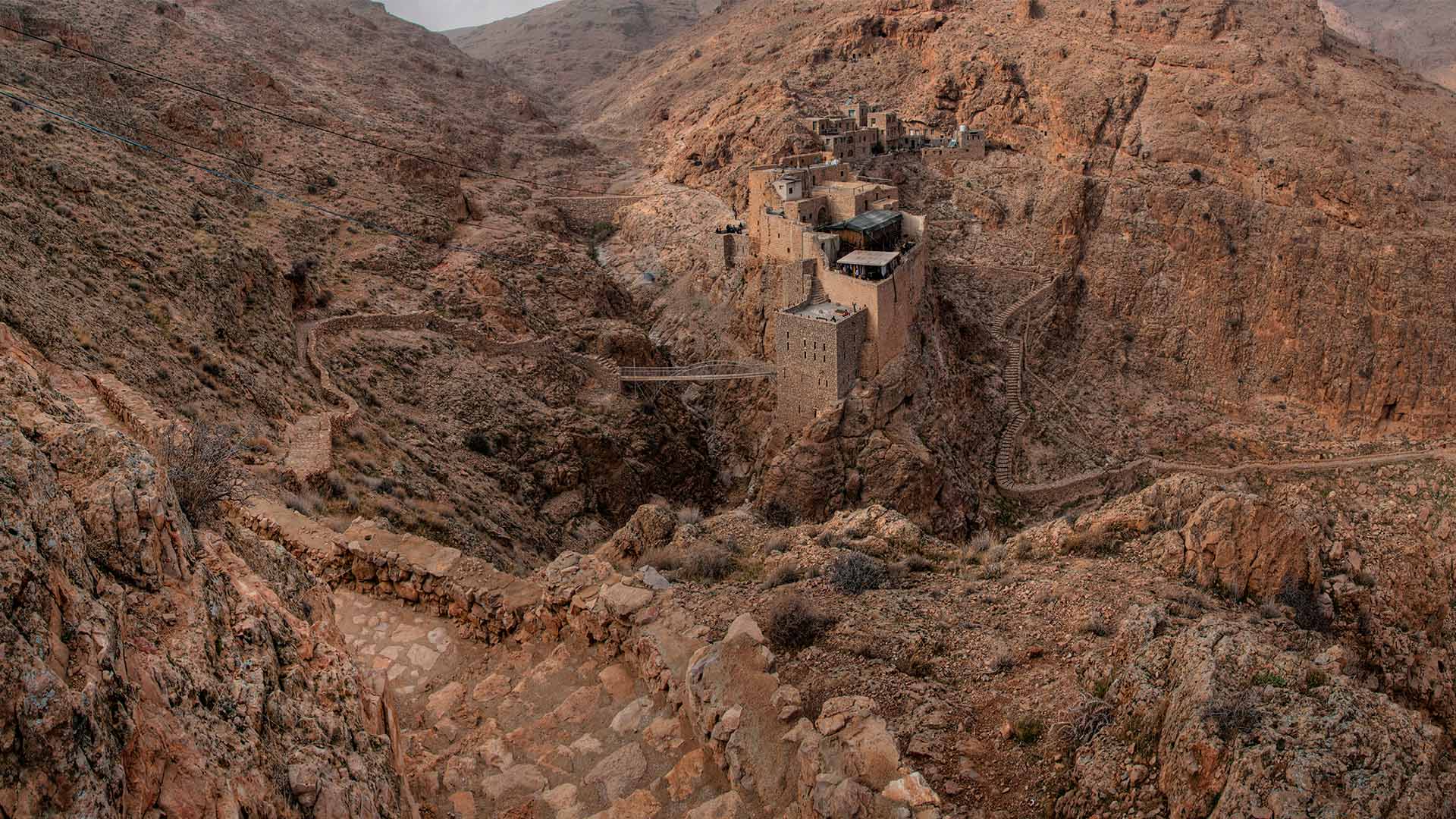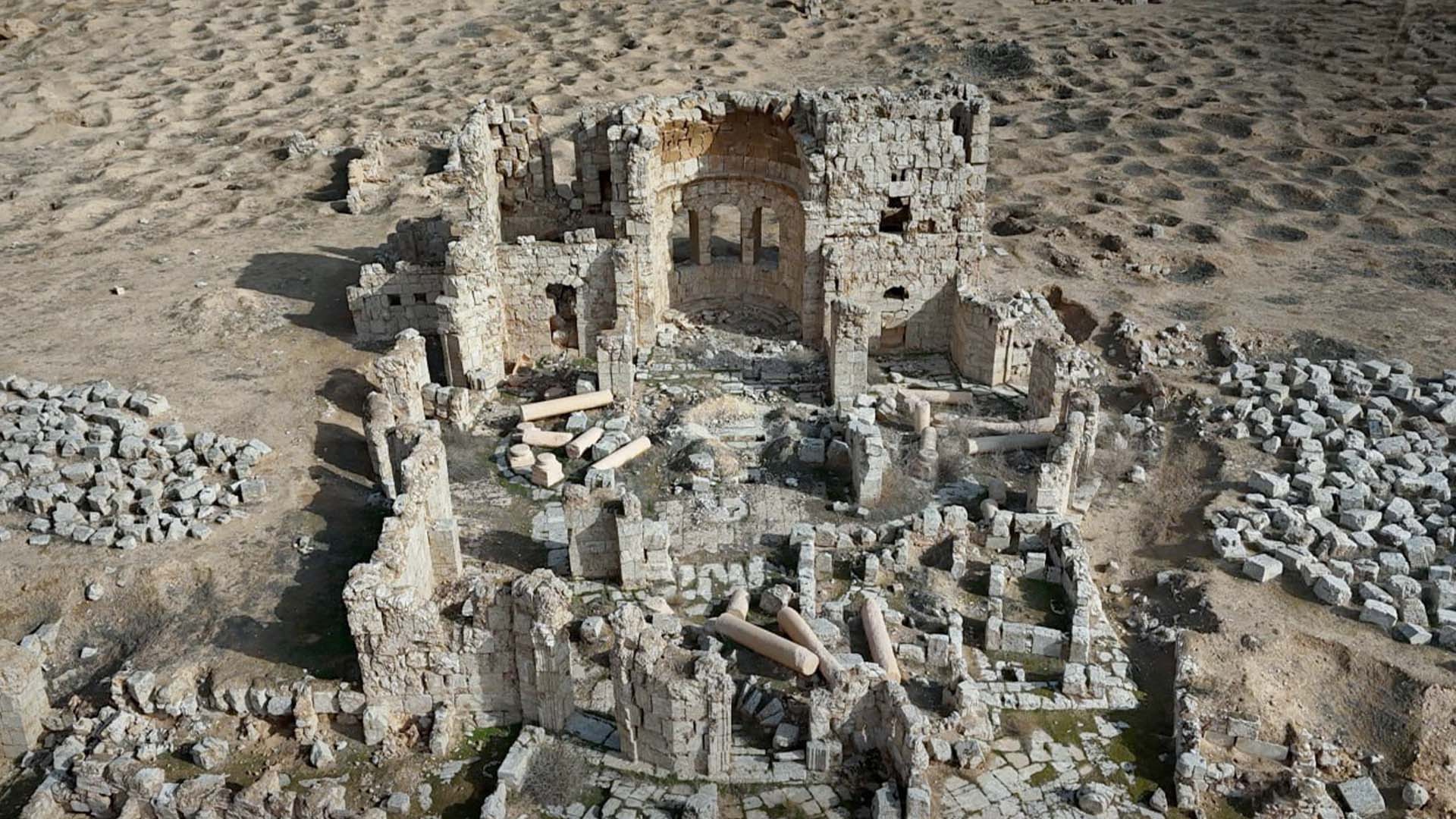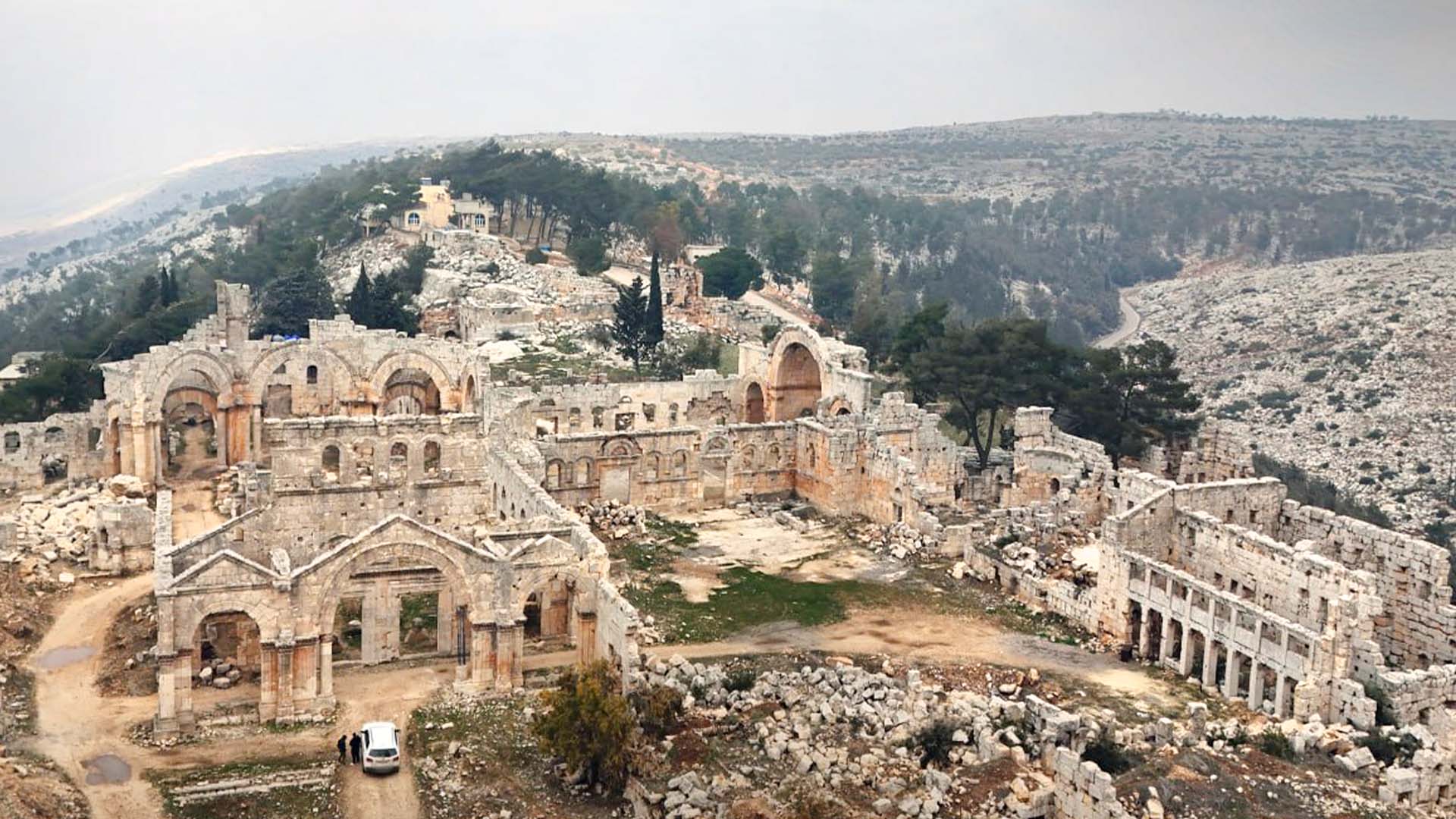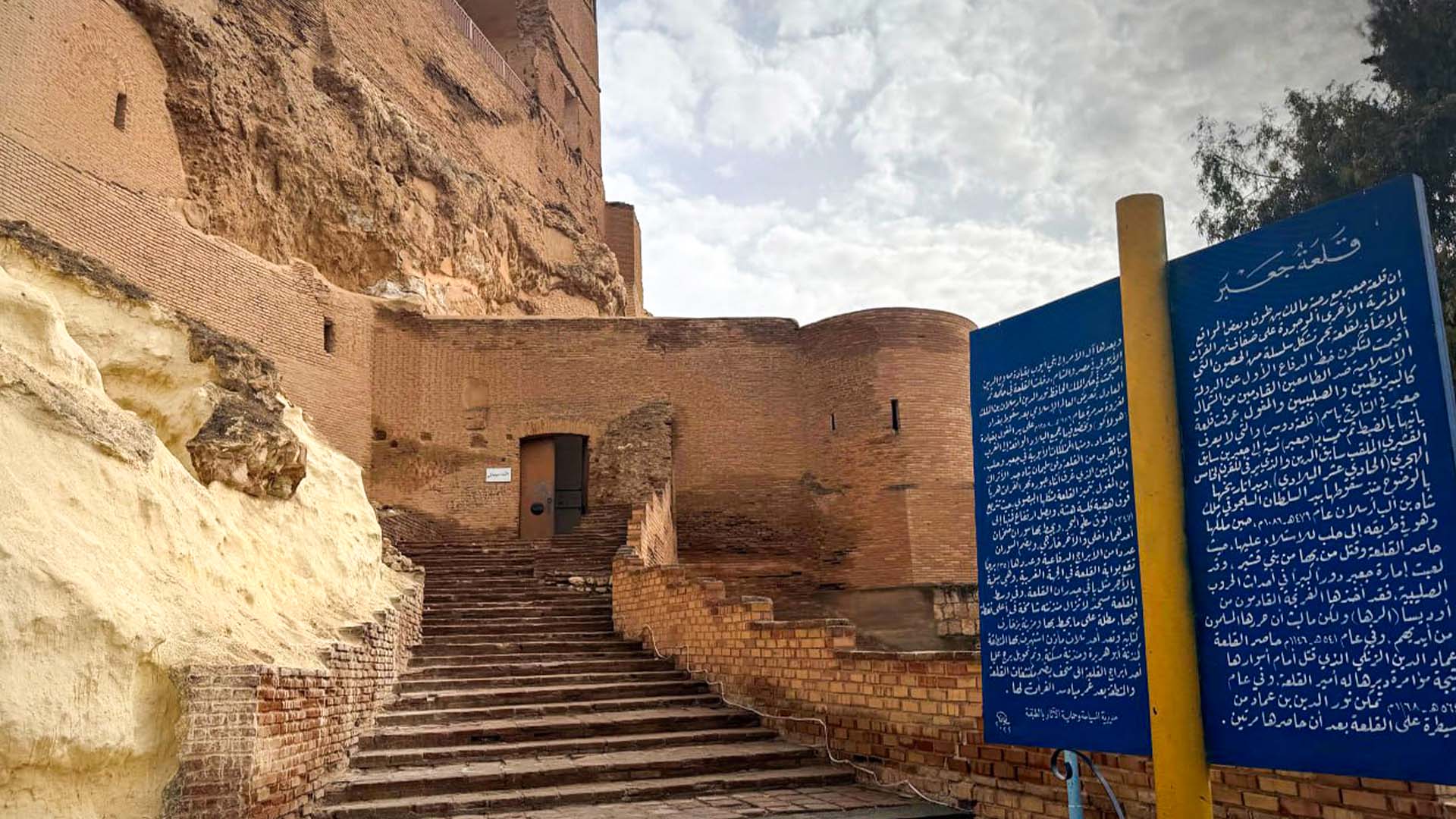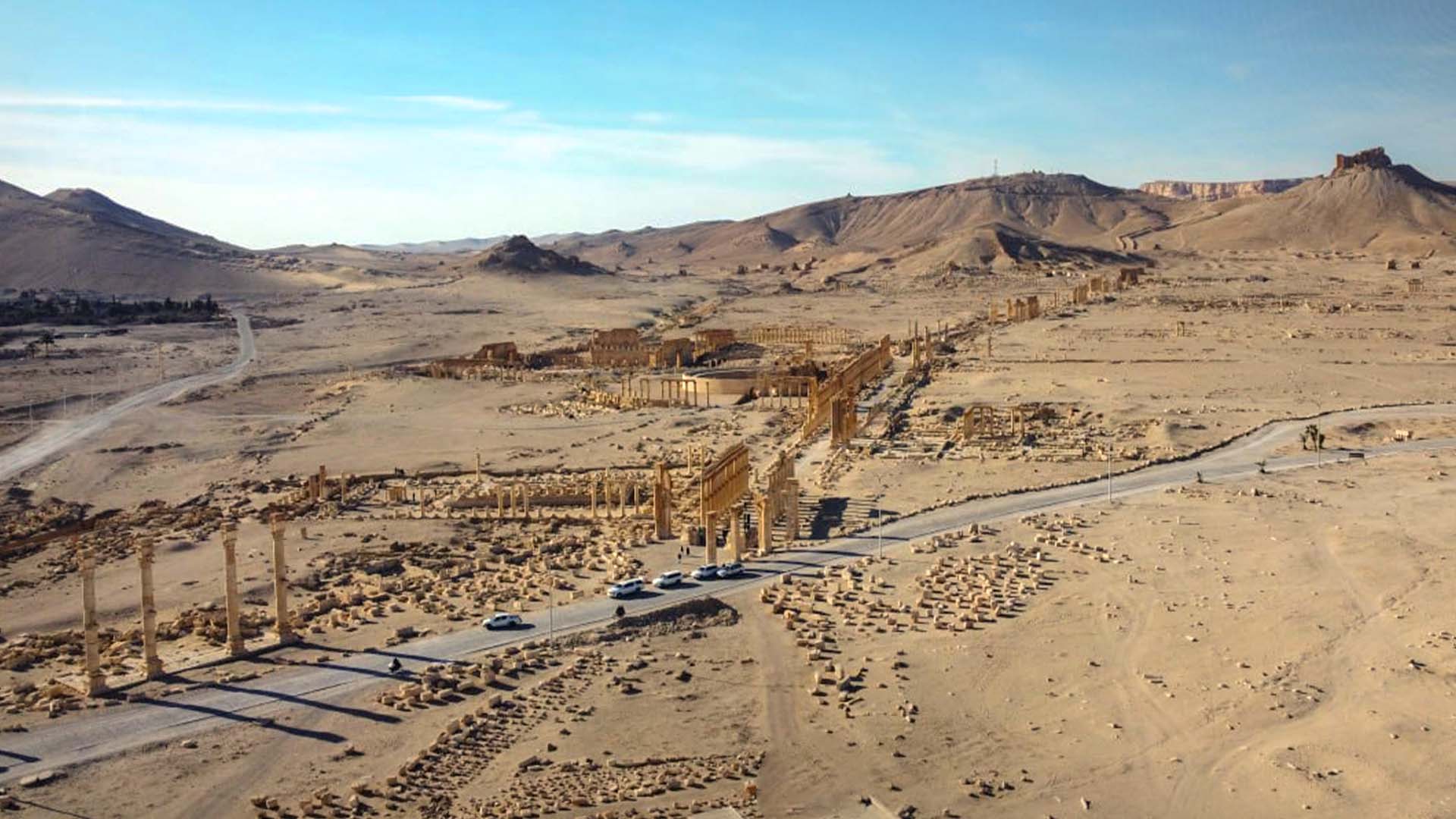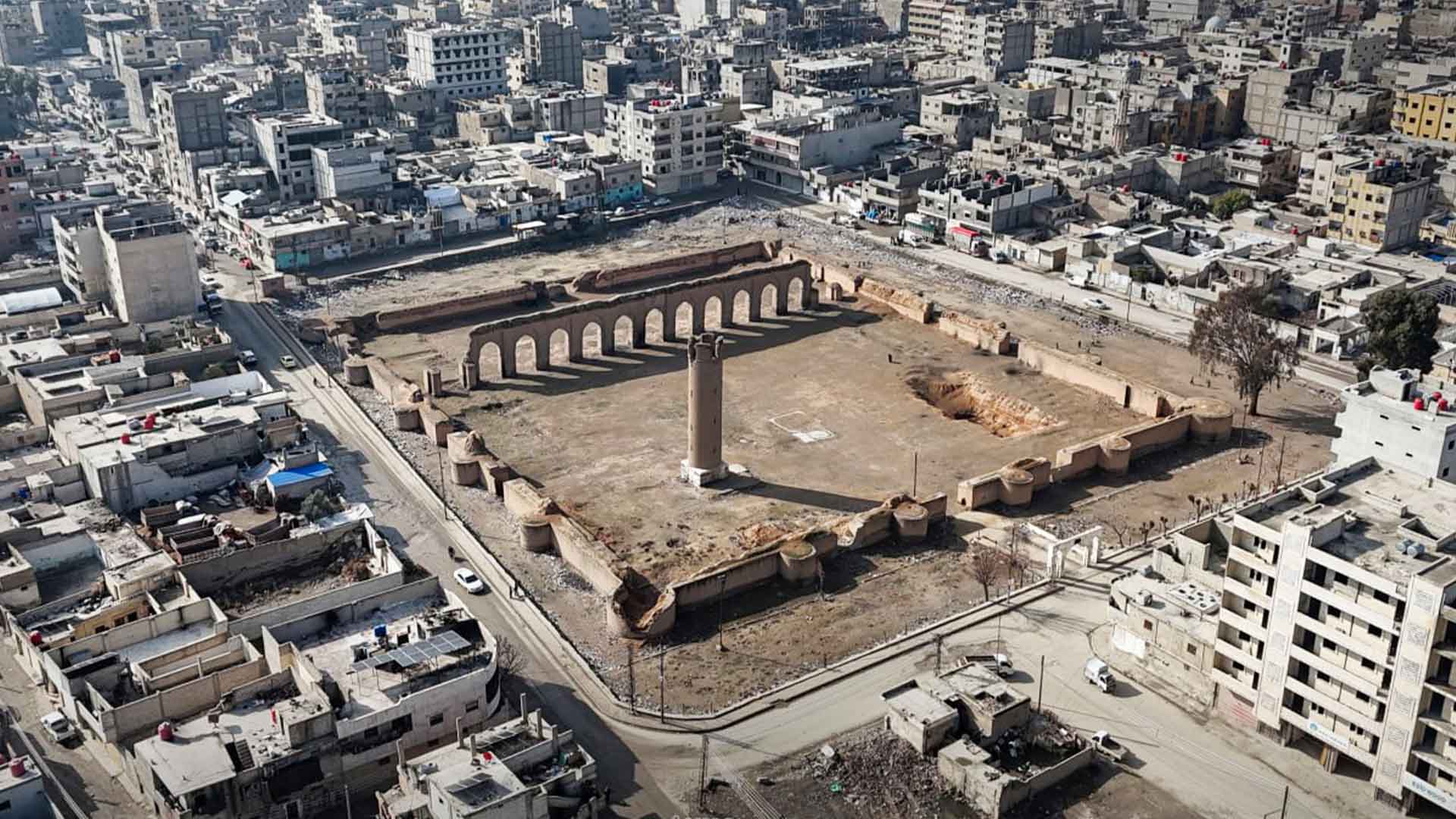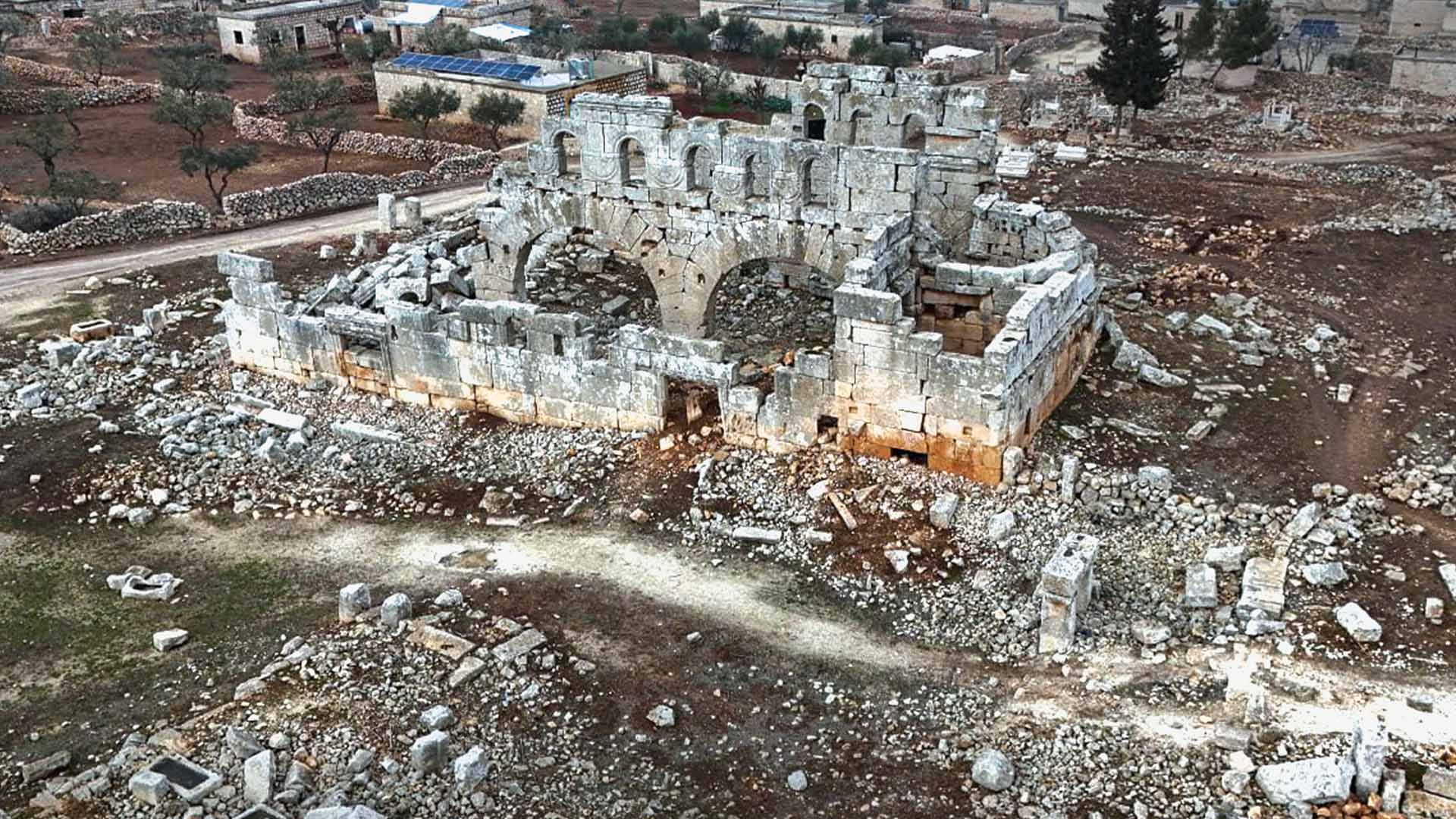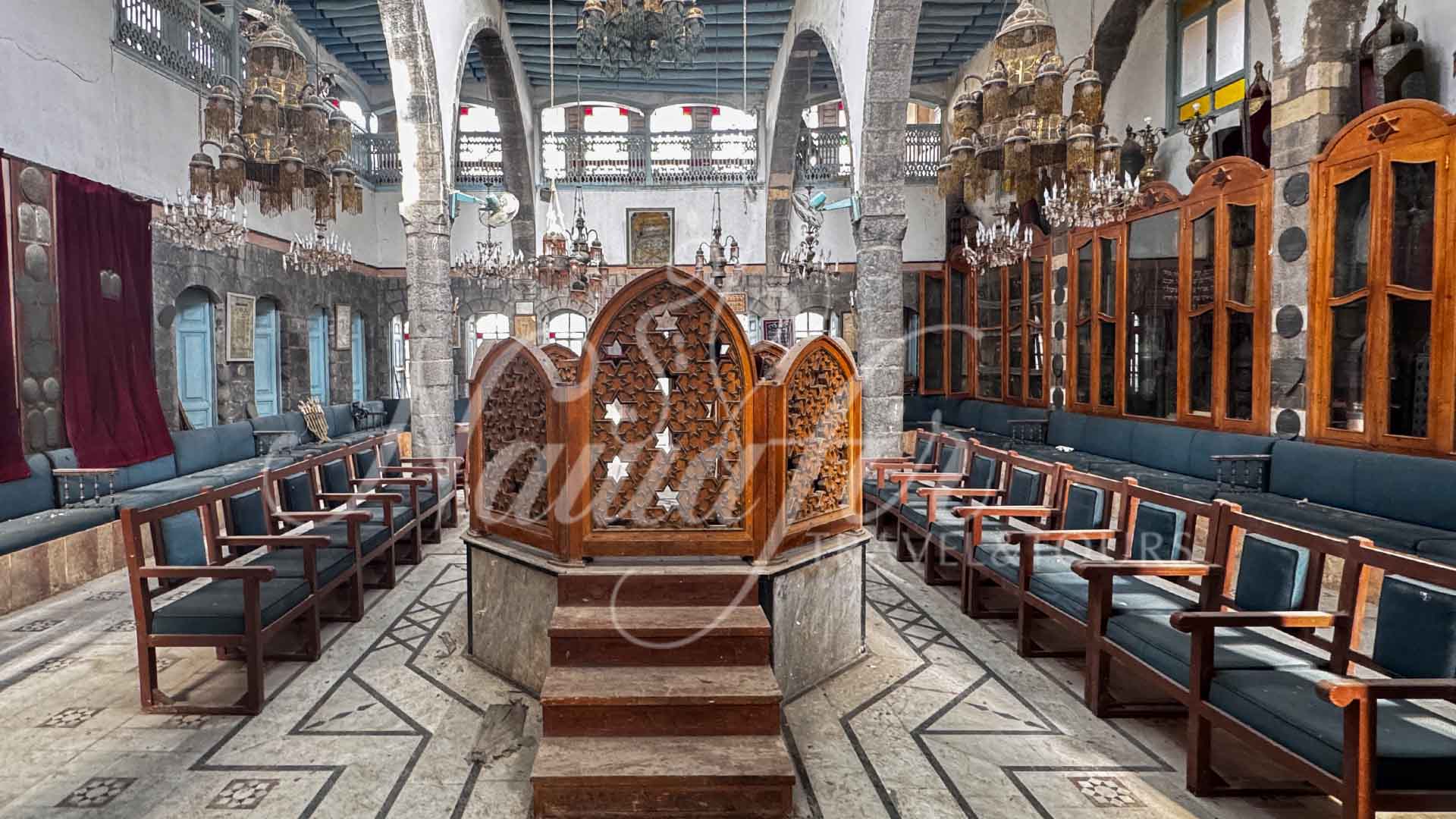
Syria is a land where history, faith, and cultural continuity intersect, and the celebration of Christmas reflects this unique legacy. As one of the oldest centers of Christianity in the world, Syria holds a distinguished place in Christian heritage, making this season far more than a simple annual holiday. It stands as a living testimony to centuries of belief, resilience, and coexistence that continue to shape Christian life across the country.
The Historical Significance of Syria in Christian Tradition
Christianity reached Syria in its earliest years, and Damascus remains forever associated with the conversion of Saint Paul. This profound historical connection gives the Christmas season in Syria exceptional spiritual importance. For generations, Christian communities have preserved their traditions despite political, social, and economic challenges, ensuring that religious observance remains a central expression of faith and identity.
Today, Syria is home to a diverse Christian population that includes Greek Orthodox, Syriac Orthodox, Melkite Greek Catholic, Maronite, Armenian Apostolic, Armenian Catholic, and Latin Catholic communities. While different denominations follow varying liturgical calendars, the extended festive period in Syria reflects the country’s rich religious diversity and deep-rooted spiritual heritage.
Religious Observances and Church Life in Syria
The spiritual heart of the season in Syria lies within its ancient churches and monasteries, many of which date back centuries. Preparations begin weeks in advance through fasting, prayer, and reflection. On Christmas Eve, worshippers gather for solemn liturgies, often held at midnight, illuminated by candlelight and accompanied by traditional hymns.
Church services across Syria are deeply symbolic. Hymns are sung in Arabic, Syriac, Greek, and Armenian, linking present-day believers to the earliest forms of Christian worship. Nativity scenes depicting the birth of Christ are displayed in churches, homes, and public spaces, reinforcing the religious meaning of the celebration.
Family Traditions and Festivities
Beyond the church, the country comes alive with family gatherings and joyful traditions during the festive season. Homes are decorated with trees, lights, and ornaments, blending international customs with local practices. Families come together to prepare special meals that often include stuffed vegetables, rice with meat, and a variety of traditional sweets.
Children play a central role in the celebrations. They participate in church choirs, nativity plays, and community events, while eagerly anticipating gifts from Baba Noel. These shared moments strengthen family bonds and create a warm, festive atmosphere within households and neighborhoods.
Interfaith Harmony
One of the most remarkable aspects of this season is its interfaith character. Muslim neighbors frequently visit Christian friends and relatives to exchange greetings and sweets, reflecting long-standing traditions of coexistence. This shared participation highlights how religious celebrations often transcend faith boundaries, emphasizing values of peace, generosity, and mutual respect.
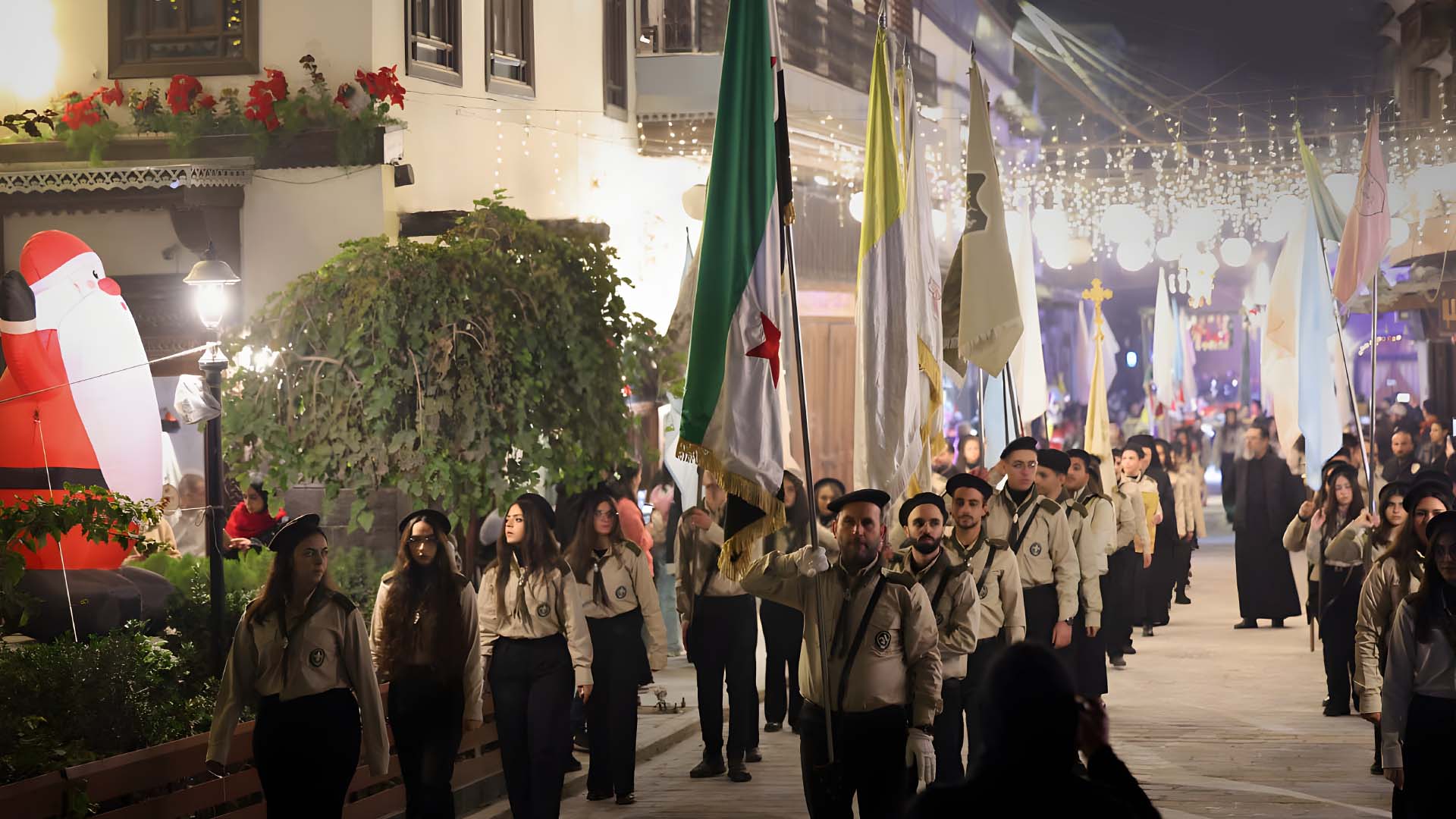
Public spaces in cities such as Damascus, Aleppo, Homs, and Latakia are adorned with lights, decorations, and nativity displays, creating an atmosphere enjoyed by people of all backgrounds and reinforcing a sense of shared cultural life.
The Deeper Meaning Today
For Christian communities, this time of year carries deep emotional and spiritual significance. It represents hope, renewal, and perseverance. Celebrating in historic churches and ancient towns serves as a powerful reminder of continuity in the face of hardship. The ringing of church bells, candlelit prayers, and family gatherings symbolize the enduring presence of Christianity and stand as a declaration that faith, heritage, and identity remain alive despite challenges.
Global Importance
The traditions observed locally are not only meaningful at home but also resonate globally. They represent one of the oldest continuous expressions of Christian worship in the world. Preserving these customs offers a living connection to early Christianity and reinforces universal messages of peace, hope, and spiritual resilience.
This land offers a unique and deeply meaningful expression of Christian celebration, blending ancient history, religious devotion, and cultural resilience. From solemn church liturgies to joyful family gatherings and visible interfaith harmony, these traditions reflect the enduring spirit of one of the world’s oldest Christian communities, continuing to inspire unity, perseverance, and hope.